Shop drawings are the crucial link between design intent and actual construction. While architectural and engineering drawings show what needs to be built, shop drawings explain how to build it. Yet, many clients and builders underestimate their importance. Here’s a clear breakdown of what shop drawings are and why they play such a vital role in project success.
What Are Shop Drawings?
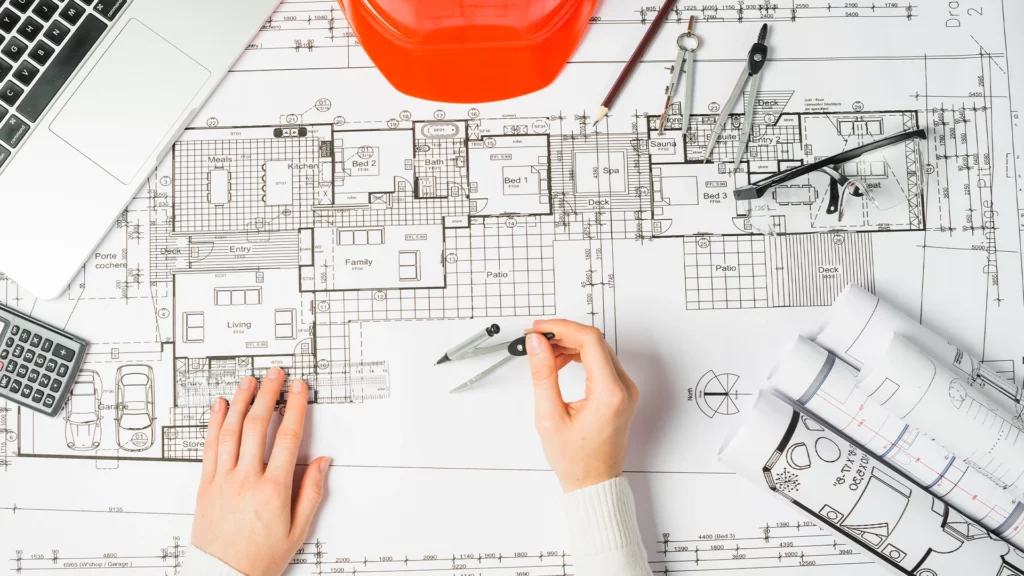
Shop drawings are detailed, scaled technical drawings created for fabrication and on-site installation. They translate architectural and structural designs into construction-ready instructions.
These drawings include measurements, materials, connection points, and installation details that ensure every component fits and functions correctly during construction.
In simple terms:
👉 If architectural drawings are the idea, shop drawings are the execution plan.
Who Uses Shop Drawings?
Shop drawings are essential for multiple professionals across a project lifecycle:
-
Builders – for installation and coordination
-
Manufacturers – for accurate fabrication
-
Structural Engineers – for design verification
-
Installers & Site Teams – for correct placement and assembly
-
Project Managers – for scheduling and workflow planning
These stakeholders rely on shop drawings to eliminate guesswork and prevent workflow disruptions.
What’s Included in Shop Drawings?
Professional shop drawings typically include:
-
Structural frame layouts
-
Connection and fastening details
-
Truss layouts and load paths
-
Floor and roof framing plans
-
Steel detailing & member sizes
-
Fixing methods and tolerances
-
Component labels and numbering
Each element is presented with precise dimensions and annotations to reduce on-site confusion.
Why Shop Drawings Matter
High-quality shop drawings provide several critical advantages:
1. Ensure Precision
They eliminate assumptions by providing exact dimensions and assembly sequences.
2. Minimise Installation Errors
Clear detailing helps avoid misalignment, clashes, and expensive rework.
3. Streamline Fabrication
Manufacturers receive accurate data, improving production speed and reducing material waste.
4. Improve Communication
They act as a common technical language between architects, engineers, and contractors.
Industry Insight
Great shop drawings don’t just communicate design — they prevent mistakes, save time, and keep construction teams aligned from fabrication to installation.
How We Do It at BuildSketch
At BuildSketch, our shop drawings process is designed for accuracy, clarity, and collaboration:
-
Developed using architect and engineer inputs
-
Aligned with the builder’s workflow and construction method
-
Reviewed and marked up with the client before final approval
-
Produced using industry-leading software:
-
MiTek Sapphire
-
Vertex BD
-
Endurocadd
-
Our drawings are not just technically correct — they’re practical, build-friendly, and site-ready.
Conclusion
Whether it’s a residential build or a light commercial project, professional shop drawings are essential for smooth execution. They help bring designs to life accurately, reduce costly mistakes, and keep your project on schedule.
🛠️ Need accurate, code-compliant shop drawings?
Get in touch with BuildSketch today to discuss your project.
